Dyson stick vacuums have revolutionized home cleaning with their powerful suction, lightweight design, and cordless convenience. However, at the core of this freedom lies the battery – a critical component determining how long and effectively you can clean. As a technician with over a decade of experience, I understand the nuances of these power sources. This guide delves into everything you need to know about your Dyson stick vacuum battery, from understanding its lifespan and model-specific differences to expert tips for extending its life and troubleshooting common issues.
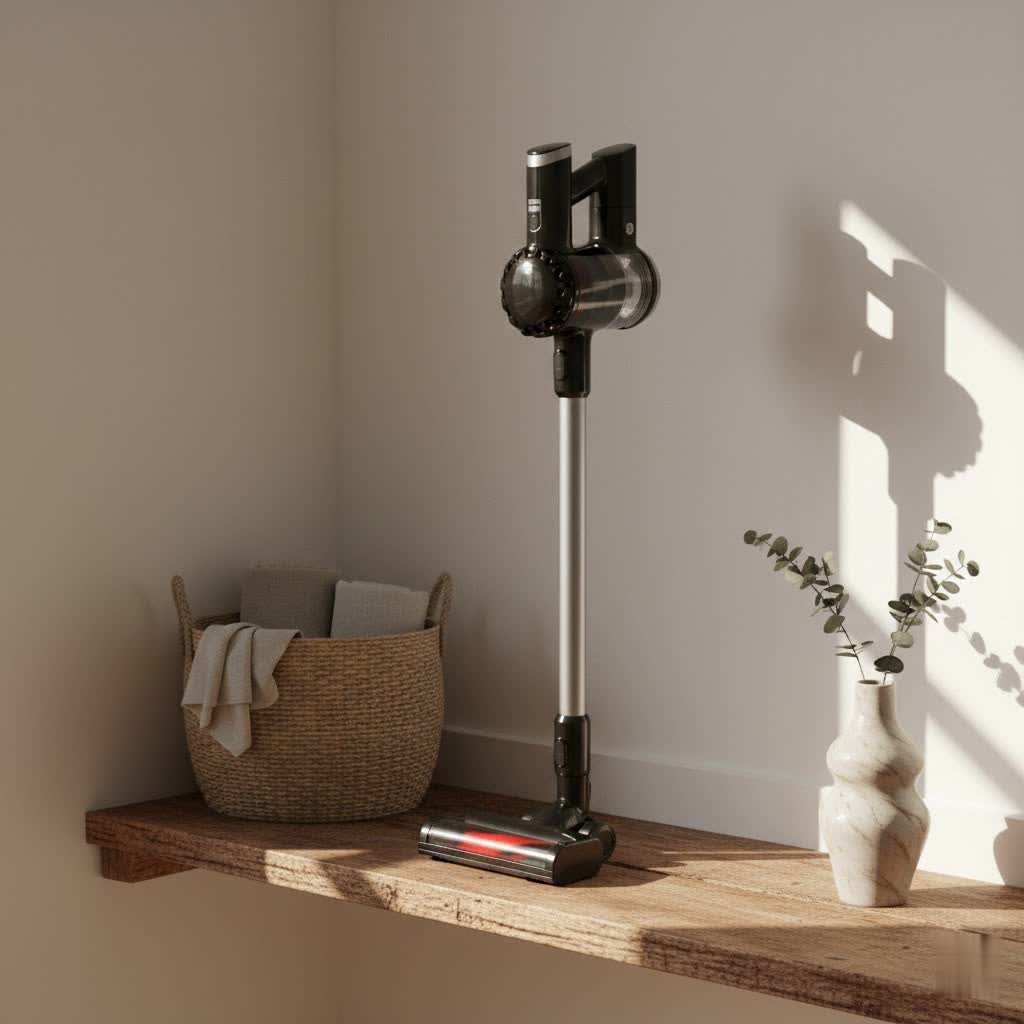
Understanding Dyson Stick Vacuum Batteries
The unparalleled portability and ease of use of Dyson stick vacuums are directly attributed to their advanced battery technology. Knowing how these batteries work and what influences their longevity is the first step toward maximizing your cleaning efficiency.
The Heart of Cordless Cleaning: Lithium-Ion Technology
|
Our Picks for the Best Stick Vacuum in 2026
As an Amazon Associate I earn from qualifying purchases.
|
||
| Num | Product | Action |
|---|---|---|
| 1 | Bissell Cleanview XR Pet 300W Cordless Vacuum with Removable Battery, 3797V |

|
| 2 | Amazon Basics 2-in-1 Corded Stick Vacuum Cleaner, Convertible to Handheld, Lightweight (3.9 LBS), with Washable Filter, Crevice Tools, 0.5L Dust Cup, 19.7-Ft Cord, 300W, Black |
|
| 3 | Shark Pet Cordless Stick Vacuum with XL Dust Cup, LED Headlights, Removable Handheld Vac, Crevice Tool, Portable Vacuum for Household Pet Hair, Carpet & Hard Floors, 40min Runtime, Ice Blue, IX141AMZ |
|
| 4 | LEVOIT Cordless Vacuum Cleaner, Stick Vac with Tangle-Resistant Design, Up to 50 Minutes, Powerful Suction, Rechargeable, Lightweight, and Versatile for Carpet, Hard Floor, Pet Hair, LVAC-200 |
|
| 5 | Bissell Featherweight Stick Lightweight Bagless Vacuum with Crevice Tool, 2033, One Size Fits All, Blue |
|
| 6 | Tikom V500 Cordless Vacuum Cleaner for Home, 40000Pa/450W Stick Vacuum with LED Touch Screen, Charging Wall Dock, Anti-Tangle, Lightweight Handheld Vacuum for Pet Hair, Hard Floor, Carpet |
|
| 7 | V6 Cordless Vacuum Cleaner,600W Stick Vacuum with LED Touch Screen,70Mins 50KPA Self-Standing Wireless Vacumm,Upgraded Anti-Tangle Vacuum Cleaner for Home,Pet Hair,Carpets,Floor,Green |
|
| 8 | Cordless Vacuum Cleaner, 45KPA Stick Vacuum Cleaners for Home-3 |
|
| 9 | Cordless Vacuum Cleaner, Upgraded 600W 50KPA 70Mins Cordless Stick Vacuum Cleaner with Self-Standing and Touch Screen, Anti-tangle Wireless Vacumm, Vacuum Cleaners for Home/Pet Hair/Carpets/Floors |
|
| 10 | Cordless Vacuum Cleaner, 500W/40Kpa Vacuum Cleaners for Home, 60Mins Stick Vacuum with LED Display, Anti-Tangle & Wall Mount Charging, 8 in 1 Lightweight Vacuum for Hard Floors Carpet Pet Hair |
|
All modern Dyson stick vacuums are powered by sophisticated lithium-ion batteries. These batteries are chosen for their high energy density, allowing them to store a significant amount of power in a compact, lightweight package. Unlike older battery types, Dyson’s lithium-ion cells exhibit no “memory effect,” meaning you can recharge them at any charge level without diminishing their overall capacity. Dyson subjects its batteries to extensive testing to ensure a balance of energy density, power, and lifespan, incorporating features like intelligent power management in newer models to optimize performance and battery health.
Average Lifespan and Factors Affecting It
While Dyson batteries are engineered for durability, their lifespan isn’t indefinite. On average, a Dyson lithium-ion battery can last between 3 to 5 years, or approximately 500 full charge cycles, before its performance may drop to 80% of its original capacity. With diligent care and optimal usage, newer models like the V11 and V15, which feature advanced battery management systems, can even achieve 6 to 10 years of reliable service.
Several factors significantly impact a Dyson battery’s longevity:
- Usage Frequency and Intensity: Frequent use, especially in high-power “Max” or “Boost” modes, drains the battery faster and contributes more quickly to charge cycles.
- Charging Habits: Consistently draining the battery to 0% before recharging can accelerate degradation.
- Storage Conditions: Extreme temperatures (both hot and cold) can prematurely age the battery.
- Maintenance: Clogged filters or brush bars force the motor to work harder, consuming more battery power and potentially shortening its life.
Dyson Stick Vacuum Battery Comparison by Model
Dyson has continuously evolved its battery technology across different stick vacuum models, leading to variations in runtime, charging speed, and features.
Evolution of Battery Technology in Dyson Vacuums
From the earlier V6 and V7 models to the latest Gen5detect, Dyson has made significant strides in battery capacity, efficiency, and integration. Newer models often boast longer runtimes and more sophisticated power management systems.
Here’s a comparison of key battery-related specifications across popular Dyson stick vacuum models:
| Dyson Model | Max Runtime (Eco Mode) | Max Runtime (Boost/Max) | Charging Time | Click-in Battery? | Intelligent Power Management |
|---|---|---|---|---|---|
| Dyson V8 | Up to 40 minutes | Up to 5 minutes | 5 hours | No | Basic |
| Dyson V10 | Up to 60 minutes | Up to 7 minutes | 3.5-4.5 hours | No | Enhanced |
| Dyson V11 | Up to 60 minutes | Up to 7 minutes | 4.5 hours | Yes | Adaptive, LCD display |
| Dyson V12 Detect Slim | Up to 60 minutes | Up to 8 minutes | 3.5 hours | Yes | Yes (Piezo sensor) |
| Dyson V15 Detect | Up to 60 minutes | Up to 8 minutes | 4.5 hours | Yes | Advanced (Piezo sensor) |
| Dyson Outsize | Up to 120 minutes (with 2 batteries) | – | 4.5 hours | Yes | Advanced |
| Dyson Gen5detect | Up to 70 minutes | – | 4.5 hours | Yes | Most Advanced (Piezo, screen) |
Note: Runtimes are approximate and can vary based on attachments used, floor type, and debris level.
Newer models, starting with the V11, introduced “click-in” battery packs, allowing users to easily swap batteries for extended cleaning sessions or replace them without tools. The V15 Detect and Gen5detect further enhance battery efficiency by using Piezo sensors to intelligently adjust suction power based on the detected dust and debris, optimizing runtime for the task at hand.
Extending Your Dyson Battery’s Lifespan
With proper care, you can significantly prolong the life and performance of your Dyson stick vacuum battery. Adopting smart habits for charging, usage, and storage will ensure your vacuum remains a powerful cleaning companion for years to come.
Smart Charging Habits
Charging your Dyson correctly is paramount to battery health.
- Recharge Regularly, Avoid Full Discharge: Lithium-ion batteries thrive when recharged before they completely drain. Aim to recharge your Dyson when the battery level drops to around 20%, rather than letting it hit 0% consistently. While frequent charging is acceptable, avoid leaving it plugged in for days after it’s fully charged, though modern Dysons have charge control.
- Let it Cool Down Before Charging: After a vigorous cleaning session, the battery can be warm. Connecting it to the charger immediately can generate more heat, which accelerates degradation. Allow your vacuum to cool down for 10-30 minutes before plugging it in.
- Use the Original Charger: Always use the charger that came with your Dyson vacuum. Original chargers are designed to deliver the correct voltage and current, preventing damage from improper charging.
- Store with Partial Charge: If you plan to store your Dyson for an extended period (weeks or months), ensure the battery is charged to about 40-60%. Storing a fully charged or completely drained battery for long durations can negatively impact its long-term health.
Optimizing Power Mode Usage
Dyson stick vacuums typically offer multiple power modes, such as Eco/Low, Auto/Medium, and Max/Boost. How you use these modes directly impacts battery runtime and lifespan.
- Default to Eco or Auto Mode: For everyday cleaning tasks on most surfaces, Eco or Auto mode provides sufficient suction while conserving battery power. These modes are gentler on the battery and maximize runtime.
- Reserve Max/Boost for Tough Messes: High-power modes consume significantly more energy and can deplete the battery in a matter of minutes. Use Max or Boost only for stubborn dirt, embedded pet hair in carpets, or intensive spot cleaning. Constant use of these modes accelerates battery degradation.
Proper Storage Conditions
The environment where you store your Dyson can affect its battery’s health.
- Maintain Room Temperature: Extreme heat or cold can harm lithium-ion batteries. Avoid storing your vacuum in places like hot garages, damp basements, or in direct sunlight. Optimal storage is in a cool, dry place at room temperature. Dyson specifies that the vacuum won’t operate or charge if the ambient temperature is below 3°C (37°F) to protect the motor and battery.
Regular Maintenance for Peak Efficiency
A well-maintained vacuum works more efficiently, reducing the strain on its battery.
- Keep Filters Clean: Clogged filters restrict airflow, forcing the motor to work harder and consume more power. Wash your Dyson’s filters regularly (usually monthly, as per Dyson recommendations) and ensure they are completely dry before reinserting.
- Clear Brush Bar and Blockages: Hair wrapped around the brush bar or blockages in the wand and cyclone assembly also increase motor strain. Regularly inspect and clear these to ensure optimal airflow and prevent unnecessary battery drain.
- Clean Battery Contacts: If your Dyson has a removable battery, occasionally inspect and clean the battery contacts to ensure efficient power transfer.
“The secret to a long-lasting Dyson battery isn’t magic; it’s consistency. Small, mindful habits like letting your vacuum cool before charging and choosing the right power mode make a monumental difference in extending its life and maintaining peak performance.” – Alex Nguyen, Head Technician at ReviewAddr.com
When to Consider a Dyson Battery Replacement
Even with the best care, all batteries eventually degrade. Recognizing the signs of a failing battery helps you decide when it’s time for a replacement.
Signs of Battery Degradation
- Significantly Reduced Runtime: The most obvious indicator. If your vacuum runs for only a fraction of its usual time after a full charge, the battery is likely nearing the end of its life.
- Vacuum Pulsing or Stopping Randomly: This can be a symptom of the battery struggling to maintain stable voltage under load, leading to inconsistent power delivery.
- Not Holding a Charge or Not Charging at All: If your Dyson refuses to charge, or the charge light doesn’t activate, the battery or charger may be faulty.
- Flashing Blue Light: A flashing blue LED often signals a battery error or a blockage that’s causing the vacuum to shut down as a safety measure.
Genuine vs. Third-Party Batteries
When a replacement is needed, you generally have two options:
- Genuine Dyson Batteries: These are specifically designed for your model, ensuring compatibility, safety, and optimal performance. They typically come with Dyson’s 2-year guarantee. Dyson strongly recommends using only genuine batteries to maintain vacuum performance and warranty.
- Third-Party Batteries: Available at a lower cost from various retailers. While tempting, Dyson advises against them due to potential safety risks, lower quality cells, and shorter lifespans, which can sometimes negatively affect the vacuum’s overall operation. If opting for a third-party battery, choose a reputable brand with good reviews.
Replacement Process and Cost Considerations
Dyson batteries are generally user-replaceable, often requiring just a few screws to be removed to swap the old battery for a new one. The cost of a genuine Dyson replacement battery varies by model but typically ranges from $95 and up. Third-party options can be considerably cheaper, sometimes as low as $30-$50.
Troubleshooting Common Dyson Battery Issues
Before concluding that your battery is dead, several troubleshooting steps can help identify and potentially resolve common issues.
Vacuum Not Turning On or Charging
- Check Charger and Outlet: Ensure the charger is properly plugged into a working outlet and that the charging cable isn’t damaged. Test with a different outlet if possible.
- Clean Contacts: For models with removable batteries, clean the metal contacts on both the battery and the vacuum with a dry cloth to ensure a good connection.
- Reseat Battery: Remove the battery for at least 15 seconds, then reinsert it firmly. This can sometimes reset the system and resolve connection issues.
Reduced Run Time or Sudden Shutdowns
- Check for Blockages: A common culprit for reduced runtime or sudden shutdowns is a blockage in the cleaner head, wand, or cyclone. This forces the motor to overexert, consuming battery faster. Clear any obstructions.
- Clean Filters: Dirty filters restrict airflow, leading to decreased suction and increased battery drain. Clean and dry your filters thoroughly.
- Power Mode Usage: Ensure you’re not inadvertently running the vacuum constantly in Max/Boost mode, which will drastically reduce runtime.
- Battery “Hard Reset”: Some users report success by completely draining the battery (until it stops working), then fully recharging it. This can sometimes recalibrate the battery management system.
Flashing Indicator Lights
- Blue Light Flashing: This often indicates a battery issue or a blockage causing a safety shutdown. Address potential blockages first, then try the battery troubleshooting steps above.
- Red Light Flashing (V8): On a Dyson V8, a flashing red LED usually signifies a battery management system (BMS) lockout due to temperature (below 5°C or above 45°C) or deep discharge. Let the pack return to room temperature and try a BMS reset.
Conclusion
The battery is undeniably the lifeline of your Dyson stick vacuum, providing the power and freedom that make these appliances so indispensable. Understanding its lithium-ion technology, lifespan factors, and how different Dyson models optimize battery performance empowers you to be a more informed user. By consistently practicing smart charging habits, optimizing power mode usage, storing your vacuum in ideal conditions, and performing regular maintenance, you can significantly extend your Dyson battery’s lifespan. When signs of degradation appear, recognizing them early and knowing your replacement options ensures your cleaning routine remains uninterrupted. Ultimately, a little proactive care goes a long way in ensuring your Dyson stick vacuum continues to deliver fade-free power for years to come.
What steps will you take today to extend the life of your Dyson stick vacuum battery?
Frequently Asked Questions
How often should I fully drain my Dyson battery?
While lithium-ion batteries don’t suffer from memory effect, Dyson recommends letting the battery run down to empty at least once a month to help prolong its life. However, avoid regularly draining it to 0% as this can shorten its overall lifespan.
Can I leave my Dyson plugged in all the time?
Modern Dyson stick vacuums have intelligent charging systems to prevent overcharging. However, it’s generally recommended to unplug your vacuum after it’s fully charged, especially if you won’t be using it for an extended period, to minimize constant trickle charging.
Why does my Dyson battery die so quickly on Max mode?
Max or Boost mode demands significantly more power from the battery to deliver maximum suction, which rapidly depletes the charge. These modes are designed for short, intensive cleaning bursts, not prolonged use.
Is it safe to use a third-party battery for my Dyson?
Dyson recommends using only genuine Dyson replacement batteries to ensure safety, optimal performance, and to maintain your vacuum’s warranty. Third-party batteries may not meet Dyson’s quality standards and could pose risks or offer inferior performance.
My Dyson’s blue light is flashing, what does it mean?
A flashing blue light typically indicates a battery issue or a blockage within the vacuum. First, check for any obstructions in the cleaner head, wand, or filters. If no blockages are found, it might suggest a problem with the battery itself.
